
42nd Anniversary of Operation Bluestar:
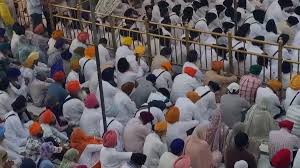
Pro-Khalistan slogans were raised inside the Golden Temple complex in Amritsar during the 42nd anniversary of Operation Bluestar.
- Operation Bluestar was carried out by the Indian Army in June 1984 at the Golden Temple complex in Amritsar to remove armed militants led by Jarnail Singh Bhindranwale, amid the rise of the Khalistan separatist movement.
- The Khalistan demand emerged after Partition, when Punjab was divided and many culturally and religiously significant Sikh sites, including Lahore and Nankana Sahib, went to Pakistan, creating a sense of political and historical grievance among sections of Sikhs.
- Discontent over issues such as river water sharing, demands for greater autonomy, and alleged support from Pakistan helped intensify separatist sentiments, while the reorganisation of Punjab in 1966 did not fully resolve these tensions.
- Jarnail Singh Bhindranwale emerged as a powerful religious-political figure who gained support among sections of Sikh youth, used aggressive rhetoric, and later moved into the Akal Takht inside the Golden Temple complex to evade arrest.
- The operation began after curfew, communication restrictions and media censorship were imposed in Punjab; the Army entered the Golden Temple complex on the night of 5th June 1984.
- The Army first tried to neutralise militant defensive positions, but heavy resistance from inside the complex led to the use of Vijayanta tanks against the Akal Takht, where Bhindranwale and his strongest defences were located.
- Bhindranwale was found dead inside the damaged Akal Takht, and by 10th June the remaining militants had either surrendered or been killed.
- It deeply hurt Sikh sentiments and had major political and social consequences. Later in 1984, Prime Minister Indira Gandhi was assassinated by her Sikh bodyguards, followed by anti-Sikh riots in several parts of India.



