
Legionnaires’ Disease:
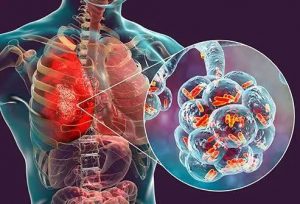
Legionnaires’ disease outbreak in New York City recently claimed its first life, with at least 67 people falling ill and dozens needing hospital care.
- Legionnaires’ Disease is a severe form of a lung infection (pneumonia) caused by a bacterium known as legionella.
- The name comes from a 1976 outbreak among people attending an American Legion convention in Philadelphia, where the disease was first identified.
- Legionella can also cause Pontiac fever. This is a milder, flu-like illness that doesn’t infect your lungs.
- Legionella is found naturally in freshwater, such as lakes and rivers. It can also be found in soil.
- But people usually only get sick from it when it grows and spreads in man-made water systems.
- These systems can include hot tubs, fountains, and the plumbing systems of large buildings, such as hotels or nursing homes.
- Most people catch Legionnaires’ disease by breathing in mist or small drops of water that contain the bacteria.
- You usually can’t get infected by drinking water that contains the bacteria unless you aspirate it (accidentally breathe the water into your lungs).
- It is not contagious, meaning it does not spread from person to person.
- Older adults, people with weakened immune systems, and people who smoke have a higher risk of getting Legionnaires’ disease.
- Treating right away with antibiotics most often cures Legionnaires’ disease.
- But some people still have problems after t
- Currently, there is no vaccine available for LD.



