
Loggerhead Turtle:
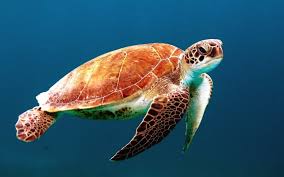
It is observed that warmer oceans and depleting food have affected the ubiquitous marine Loggerhead turtle’s reproductive and migratory patterns, and even its size.
- It is a species of oceanic turtle belonging to the family Cheloniidae.
- It is named Loggerhead for their large heads that support powerful jaw muscles.
- It is the world’s largest hard-shelled turtle, slightly larger at average and maximum mature weights than the green sea turtle and the Galapagos tortoise.
- It is also the world’s second largest extant turtle after the leatherback sea turtle.
- It uses the geomagnetic field as a map when navigating large distances.
- They may be found hundreds of miles out to sea, as well as in inshore areas such as bays, lagoons, salt marshes, creeks.
- It inhabits the Atlantic, Indian and Pacific Oceans and the Mediterranean Sea.
- It is omnivorous, feeding mainly on bottom-dwelling invertebrates, such as gastropods, bivalves, and decapods.
- Conservation status:
- IUCN: Vulnerable
- Threats: Climate change, direct harvest of turtles and eggs, Loss and degradation of nesting habitat, Ocean pollution/marine debris and by catch in fishing gear.



