
Lupus Disease:
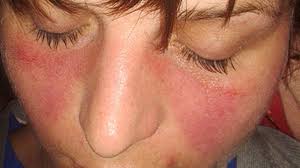
Every year, World Lupus Day is observed globally on May 10.
- It is a chronic autoimmune disease where the immune system mistakenly attacks healthy tissues and organs.
- It causes widespread inflammation and damage to joints, skin, kidneys, blood cells, brain, heart, and lungs.
- The causes of lupus are not known. But they may be linked to a person’s environment, family history (genetics), or hormonal factors.
- Lupus is much more common among women than men.
- It mostly affects people between 20 to 40 years old but can also occur in newborns, children, and older adults.
- There are several kinds of lupus:
- Systemic lupus erythematosus (SLE) is the most common It can be mild or severe and can affect many parts of the body. SLE accounts for 70% of lupus cases.
- Discoid lupus causes a red rash that doesn’t go away.
- Subacute cutaneous lupus causes sores after being out in the sun.
- Drug-induced lupus is caused by certain medicines. It usually goes away when you stop taking the medicine.
- Neonatal lupus, which is rare, affects newborns. It is probably caused by certain antibodies from the mother.
- Symptoms:
- Lupus causes symptoms throughout your body, depending on which organs or systems it affects.
- Everyone experiences a different combination and severity of symptoms.
- The symptoms of lupus occur in times of flare-ups. Between flare-ups, people usually experience times of remission, when there are few or no symptoms.
- The wide range of symptoms in the body includes joint pain, headache, rashes, fever, fatigue, mouth sores, confusion, swollen glands, and blood clots, among others.
- Left untreated, it can progress to damage the kidneys, lungs, heart, and even the brain.
- Treatment: There is no cure for lupus, but medicines and lifestyle changes can help control it.