
Savitribai Phule:
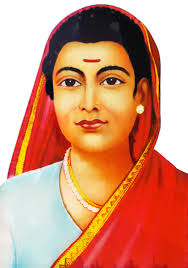
Prime Minister paid tributes to Savitribai Phule on her birth anniversary, recalling her lifelong commitment to education, equality, and social transformation.
- Savitribai Phule (1831–1897) was a pioneering social reformer, poet, and educator, widely regarded as the first female teacher of modern India and a foundational figure of Indian feminism.
- Born in Naigaon (present-day Maharashtra), she was married in childhood to Jyotirao Phule and later moved to Pune.
- Her early exposure to learning ignited a lifelong mission to reform society through education.
- Encouraged by Jyotirao Phule, she learned to read and write and undertook teacher training at institutions in Ahmednagar and Pune, becoming a qualified teacher in 1847—an extraordinary achievement for women of that era.
- Key contributions:
- Pioneer of girls’ education: In 1848, she co-founded India’s first girls’ school at Bhidewada, Pune, and went on to help establish 18 schools for girls and marginalized communities.
- Social reform for the oppressed: Opened shelters for widows, destitute women, and child brides (1854; expanded in 1864); campaigned against child marriage, caste discrimination, and untouchability.
- Institution building: Played a central role in nurturing the Satyashodhak Samaj, which fought caste hierarchy and promoted equality; popularized Satyashodhak marriages without priests or dowry.
- Public service with courage: Defied social hostility—often facing abuse on her way to school—and served plague victims during the 1897 epidemic, sacrificing her life in the process.



