
Vitamin B3:
A clinical trial is exploring whether high doses of vitamin B3 could give patients with glioblastoma a better chance against aggressive brain cancer.
- Vitamin B3, or Niacin, is a water-soluble vitamin.
- Water-soluble vitamins dissolve in water. Leftover amounts of the vitamin leave the body through the urine.
- The body keeps a small reserve of these vitamins, but they have to be taken on a regular basis to maintain the reserve.
- It is naturally present in many foods, added to some food products, and available as a dietary supplement.
- The body gets niacin through food, but it also makes small amounts from the amino acid tryptophan, which can be found in protein sources like turkey and other animal foods.
- The two most common forms of niacin in food and supplements are nicotinic acid and nicotinamide.
- Niacin works in the body as a coenzyme, with other enzymes dependent on it for various reactions.
- Niacin helps to convert nutrients into energy, create cholesterol and fats, create and repair DNA, and exert antioxidant effects.
- Due to Niacin’s positive effects on cholesterol levels, it may help prevent heart disease.
- Additionally, it may reduce oxidative stress and inflammation, which are associated with atherosclerosis, or the hardening of the arteries.
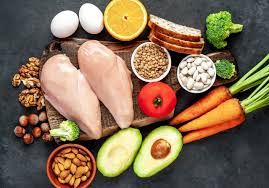
- It is found in many foods, both from animals and plants.
- A severe niacin deficiency leads to pellagra, a condition that causes a dark, sometimes scaly rash to develop on skin areas exposed to sunlight; bright redness of the tongue; and constipation/diarrhea.
- Other signs of severe niacin deficiency include:
- Depression
- Headache
- Fatigue
- Memory loss



