
Who are Maldharis?
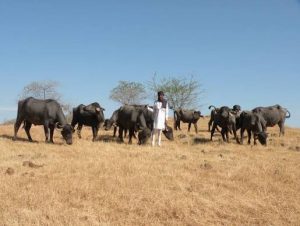
The Gujarat government recently announced a scheme for the voluntary relocation of maldharis (semi-nomadic pastoralists) from the Barda sanctuary in Porbandar and Devbhumi Dwarka districts, being developed as a ‘second home’ for Asiatic lions.
- They are a semi-nomadic pastoralist community primarily residing in Gujarat’s Banni grasslands, Gir Forest, and parts of Rajasthan.
- The term “Maldhari” translates to “keeper of livestock,” reflecting their deep-rooted tradition of herding cattle, sheep, goats, and camels.
- Their livelihoods revolve around the production of milk, ghee, wool, and artisanal crafts, which they trade in local markets.
Women play a significant role in livestock rearing, while men typically handle foraging, selling milk to dairies, and selecting grazing routes.
Maldhari women are known for their artistic skills, particularly their unique embroidery, which varies by caste and is passed down through generations.
Language: They speak Kachchhi in the Sindhi dialect.
Religion: They are predominantly Muslim, accounting for about 90% of the population, while the remaining 10% belong to Hindu communities.



