
Babesia Infection:
Two lion cubs recently died in Gujarat’s Gir National Park region due to a suspected Babesia infection.
- Babesia is a genus of microscopic parasites that infect the red blood cells (RBCs) of animals and humans, causing the disease known as babesiosis.
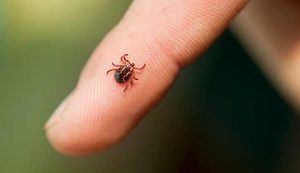
- These protozoa are transmitted mainly by the bite of ticks, primarily by the Ixodes tick, also known as a deer tick, which is also responsible for transmitting other diseases, such as Lyme disease.
- Babesiosis can affect both animals and humans, although it is much more common in animals, especially cattle, dogs, and other mammals.
- Human infection is more common in areas where ticks are common.
- The geographical distribution of Babesia is primarily in the Americas, especially in the Northeast region, as well as regions of Europe and Asia.
Babesiosis isn’t contagious from person to person. - Rarely, Babesia is transmitted from a pregnant women to the fetus.
- Treatment for babesiosis usually involves a combination of antimicrobial drugs, as the infection is caused by a parasite.
- The most recommended is a combination therapy of two drugs, atovaquone (antiparasitic) and azithromycin (antibiotic).



