
Glutathione:
Researchers recently discovered glutathione’s key part in maintaining the smooth operations of a protein-producing hub in the cell called the endoplasmic reticulum (ER).
- Glutathione is an antioxidant produced in the body through enzymatic reactions.
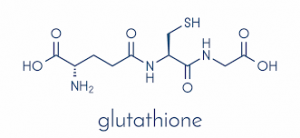
- It is a tripeptide consisting of three amino acids (glutamate, cysteine, and glycine) and is naturally produced in the liver.
- These amino acids that make up glutathione are non-essential amino acids that our body can produce on its own when needed.
- In addition to being produced naturally by the body, glutathione can be given intravenously, topically, or as an inhalant. It’s also available as an oral supplement in capsule and liquid form.
- Some of the most abundant food sources of glutathione include cabbage, Brussels sprouts, garlic, onions, broccoli, and cauliflower.
- Glutathione is often called the “master antioxidant” because of its crucial role in protecting and detoxifying cells.
- It is involved in tissue building and repair, making chemicals and proteins needed in the body, and in immune system function.
- It also can play a role in treating certain genetic conditions.
- Glutathione levels in the body may be reduced by a number of factors, including poor nutrition, environmental toxins, and stress. Its levels also typically decline with age.



