
Pennar River : In News
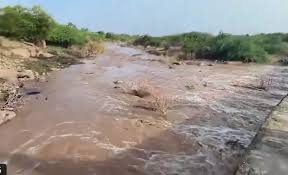
The Pennar River, also known as Penna, Pinakini, or Penneru, is a river in southern India that flows through the states of Karnataka and Andhra Pradesh.
- The name Penna is derived from the Telugu word “Pennu” which means “silt”.
- The river gets its name due to the high amount of silt it carries, which has been instrumental in shaping the land around it.
- The Penna River is also mentioned in ancient Indian literature, including the Ramayana and Mahabharata.
- It originates in the Nandi Hills of Karnataka and flows through the Deccan Plateau before entering Andhra Pradesh.
- The river then flows through the Eastern Ghats, creating several waterfalls and rapids before reaching the flat plains of the coastal region.
- The river finally meets the Bay of Bengal near the town of Nellore.
- It travels approximately 597 kilometers, forming a semi-arid yet agriculturally important river basin.
- The river basin lies in the rain shadow region of the Eastern Ghats.
- The river is seasonal, becoming a torrent after the rains and a thin stream during dry periods.
- The Penna River has several tributaries, most of which are seasonal.
- Major ones include the Chitravati, Papagni, Cheyyeru, and Kunderu rivers.
- The Penna River is crucial to agriculture in parts of Andhra Pradesh, particularly the drought-stricken Rayalaseema region.
- Several irrigation projects, such as the Somasila, Mylavaram, and Gandikota projects, have been constructed to use the river’s waters for farming and drinking purposes.



