
Raccoon Roundworm : New Study
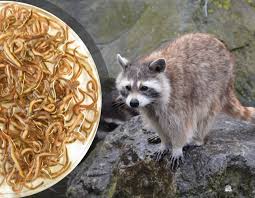
Europe is on alert after a new study revealed the raccoon roundworm, Baylisascaris procyonis, has firmly taken hold in wild raccoons across nine countries.
- The raccoon roundworm (Baylisascaris procyonis) is the common large roundworm or ascarid found in the small intestinal tract of raccoons.
- It infects raccoons in parts of North America, Europe and Japan and less commonly in South America.
- The parasite is indigenous to North America and emerging in Europe and Asia after the introduction of North American raccoons for the commercial fur trade in the early 20th century.
- It can cause severe disease in humans and other animals.
- Primary Hosts of Raccoon Roundworm: Racoons (Procyon lotor), Wild and domestic canids
- Transmission & Life Cycle of Raccoon Roundworm:
- Infection occurs through ingestion of infective eggs or infected paratenic hosts.
- Eggs passed in racoon faeces are shed in the environment and take 2-4weeks to embryonate and become infective.
- Many mammals and birds can become paratenic hosts after consuming the eggs.
- Once infective eggs are ingested, the eggs hatch and larvae penetrate the intestinal wall where they can migrate to various tissues (liver, lungs, eyes, and brain), and infect the host.
- Treatment and Control: Raccoons can be successfully treated with several anthelmintics to kill the adult worms.