
Sulphur Dioxide:
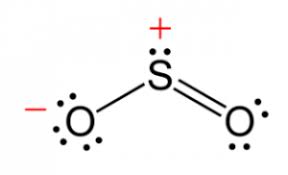
It was observed that India still has no national standards for sulphur dioxide (SO2) emissions from steel-producing facilities like sinter plants, mill zones, despite their being recognised as SO2 emission sources.
- It is a gaseous air pollutant composed of sulfur and oxygen. It forms when sulfur-containing fuel such as coal, petroleum oil, or diesel is burned.
- Properties of Sulphur Dioxide:
- It is a liquid when under pressure, and it dissolves in water very easily.
- It has a pungent, irritating odor, familiar as the smell of a just-struck match.
- Sulfur dioxide in the air comes mainly from activities such as the burning of coal and oil at power plants or from copper smelting.
- It is usually prepared industrially by the burning in air or oxygen of sulfur or such compounds of sulfur as iron pyrite or copper pyrite.
- In nature, sulfur dioxide can be released to the air from volcanic eruptions.
- The largest source of SO2 in the atmosphere is the burning of fossil fuels by power plants and other industrial facilities.
- It is used to manufacture chemicals, in paper pulping, in metal and food processing.
- It is harmful for human health, environment and climate.



