
The Privilege Notice:
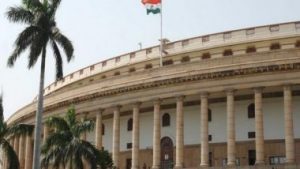
Congress Chief Whip in the Rajya Sabha moved a formal privilege notice against Union Education Minister Dharmendra Pradhan.
- A Privilege Notice is a specific institutional mechanism available to Members of Parliament (MPs) to raise a question of privilege when they believe an individual, minister, or organization has breached the defined rights, immunities, and privileges of the House, its committees, or its members.
- If an individual disregards or insults these core protections, it is treated as a Breach of Privilege or Contempt of the House.
- The fundamental aim of a privilege notice is to protect the freedom, authority, dignity, and autonomy of Parliament from external interference, misrepresentation, or derogatory attacks.
- It acts as a shield to ensure that parliamentarians can execute their legislative duties—and that parliamentary committees can function as mini-Parliaments—without fear, favor, or institutional denigration.
- An MP gives a written notice to the presiding officer (the Rajya Sabha Chairman under Rule 187 or the Lok Sabha Speaker under Rule 222).
- The presiding officer examines the notice to see if it carries a prima facie (at first sight) case of breach of privilege.
- The presiding officer can either rule on the matter directly from the Chair or, more commonly, refer the question to the Committee on Privileges for an in-depth investigation.
- The committee functions like a quasi-judicial body—examining documents, summoning the accused, and recording evidence—before tabling a final recommendation report.
- The House debates the report and votes on the penalty, which can range from a formal warning or reprimand to suspension or imprisonment for extreme contempt.



