
What is Fructose?
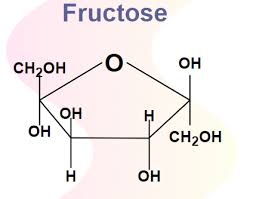
A recent study presents fructose as a significant biological driver of conditions such as obesity, metabolic syndrome, and related chronic illnesses, challenging conventional understandings of dietary sugars.
- It is a member of a group of carbohydrates known as simple sugars, or monosaccharides.
- It is one of the three most common natural monosaccharides. (The other two are glucose and galactose.)
- Chemical Formula: C₆H₁₂O₆ (same as glucose but with a different structure).
- Fructose is the most water-soluble monosaccharide.
- It is commonly known as fruit sugar. Fructose naturally occurs in fruits, vegetables, honey, sugar cane, and sugar beets.
- Fructose is significantly sweeter than glucose, making it ideal for use in beverages, desserts, and snacks.
- Fructose and glucose combine to form the disaccharide sucrose, which we know as common sugar/table sugar.
- However, fructose needs to be converted into glucose by the liver before it can be used by the body.
- Unlike other sugars, fructose does not require insulin to be absorbed and therefore has a low impact on blood glucose levels.



