
What is Rat-hole Mining?
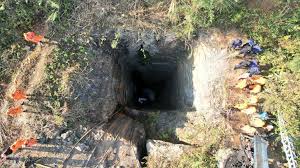
A major disaster has unfolded in Meghalaya’s East Jaintia Hills, where at least 18 workers died following an explosion in an illegally operating rat-hole coal mine.
- The incident once again exposed the continued prevalence of rat-hole mining despite long-standing bans by the National Green Tribunal(NGT) and the Supreme Court (SC) of India.
- The recent rat-hole mining tragedy in Meghalaya exposes the continued prevalence of illegal, unsafe coal extraction despite bans by the National Green Tribunal and the Supreme Court, driven by thin coal seams, livelihood dependence and weak enforcement under Sixth Schedule autonomy.
- Rat-hole mining causes severe human rights violations and environmental damage, including deaths from flooding and suffocation, acid mine drainage, deforestation and river pollution, highlighting the need for stronger surveillance and sustainable livelihood alternatives.
- Rat-hole mining is a primitive and hazardous method of coal extraction in which very narrow tunnels are dug just large enough for a person to crawl through.
- The tunnels are typically 3–4 feet high, forcing miners to work in squatting or crawling positions with basic tools.
- Rat-hole Mining involves no scientific planning, ventilation, or structural support, making it extremely dangerous.
- While predominantly practised in Meghalaya, reports of rat-hole mining have surfaced in other northeastern states of India as well.



