
Denotified, Nomadic and Semi-Nomadic Tribes:
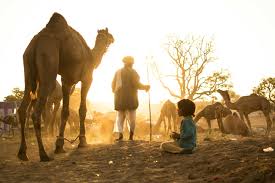
Denotified tribes, nomadic tribes, and semi-nomadic tribes across the country are coming together to push for a “separate column” for themselves in the 2027 Census.
- Denotified Tribes (DNTs) are those communities which were once notified under the Criminal Tribes Acts, enforced by the British Raj between l871 and I947.
- Once a tribe becomes “Notified” as criminal, all its members were required to register with the local magistrates, failing which they would be charged with a ‘crime’ under the Indian Penal Code.
- After Independence, this Act was repealed in 1952, and the communities were “denotified”, hence the name.
- The DNTs are among the most neglected, marginalised, and economically deprived communities, with most living a life of destitution.
- Historically, these communities never had access to private land or home ownership and used forests and grazing lands for their livelihood and residential use.
- In India, roughly 10 percent of the population are DNTs.
- In 2014, the Ministry of Social Justice and Empowerment constituted a National Commission for De-notified, Nomadic, and Semi-Nomadic Tribes (NCDNT) for a period of three years-
- to prepare a state-wise list of castes belonging to DNTs
- to suggest appropriate measures in respect of Denotified and Nomadic Tribes that may be undertaken by the Central Government or the State Government.
- The Ministry constituted the Development and Welfare Board for Denotified, Nomadic, and Semi-Nomadic Communities (DWBDNCs) in 2019.
- The Board has been mandated to formulate and implement welfare and development programmes for these communities.
- The Renke Commission (2008) was earlier commissioned to identify and list the DNT communities.



