
Parliamentary Privileges in India:
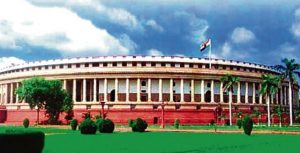
The Lok Sabha Speaker is examining a notice for breach of Parliamentary privilege and contempt of the House over alleged disruptive conduct during the debate on the Viksit Bharat- Guarantee For Rozgar And Ajeevika Mission (Gramin) Bill, 2025. The notice cites the actions as misconduct in the presence of the House, disobedience to the Speaker’s authority, and obstruction of House officers, constituting a collective breach of MPs’ privileges.
- Parliamentary privileges are special rights, immunities, and exemptions enjoyed by each House of Parliament, its committees, and its members.
These privileges extend to the Attorney General of India but do not extend to the President. - They are necessary for the effective discharge of parliamentary functions and exceed those possessed by other bodies or individuals.
- Types of Privileges:
- Collective Privileges: Rights of the House as a whole (e.g., right to regulate proceedings, punish for contempt, exclude strangers).
- Individual Privileges: Rights of members (e.g., freedom of speech in Parliament, freedom from arrest in civil cases).
- Article 105, Article 122, Article 194 and Article 212 provides various types of privileges to Members of Parliament (MPs) and Members of the Legislative Assemblies (MLAs).
- Article 105(3) states that until defined by Parliament by law, privileges shall be those of the British House of Commons as of 1950. No comprehensive law has been enacted, so British precedents largely guide the practice.
- The Code of Civil Procedure, 1908, grants freedom from arrest in civil cases during and around parliamentary sessions.



